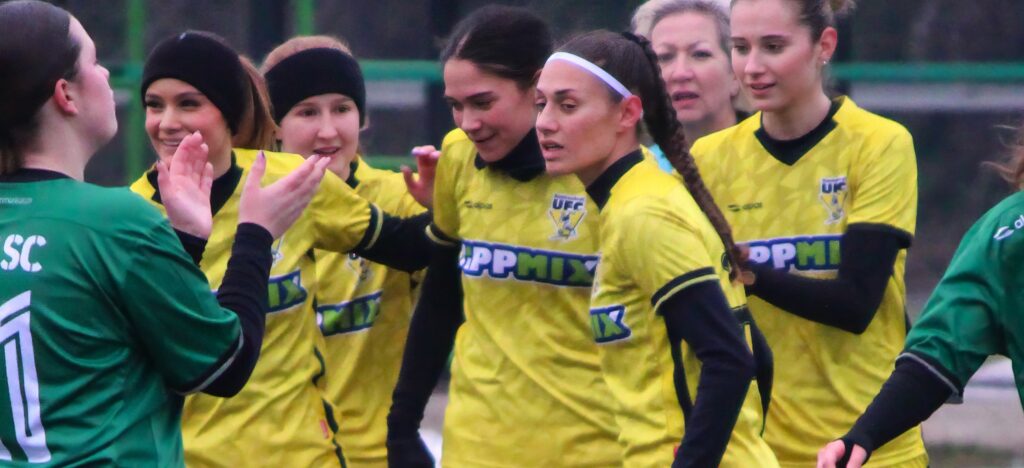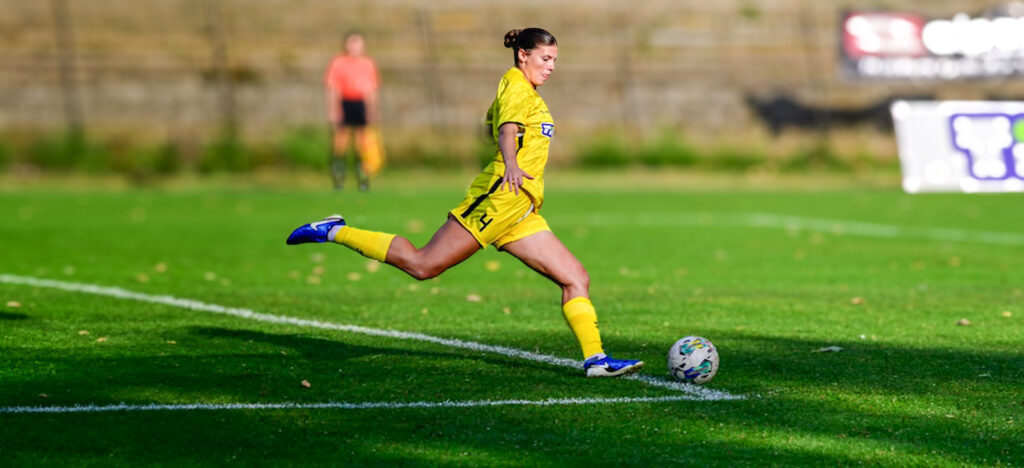

A tough start, sharp criticism, and unavoidable decisions defined the Szekszárd NB I team’s fall campaign. Owner Adam Koszo, who took over in the summer, did not shy away from difficult questions – speaking openly about the season’s failures, systemic issues, the upcoming winter overhaul, and why there is no debate about the head coach’s future.
Looking back at the first half of the season, is this what you imagined?
Yes and no. When we took over the club, we knew exactly what we were stepping into: a rebuild. Not a patch job—a rebuild. The first thing we did was sit down individually with every player and ask for brutal honesty. We wanted to know what was broken, what needed to change, and what they expected if they were going to commit to this project.
What shocked me was not the squad—it was learning how women’s football is viewed in Hungary and by the MLSZ. What gave me confidence, however, was realizing that Szekszárd has a hardcore fan base that never turns its back on the team. Even when results were poor, they stayed. That matters.
You said the players were very direct about what they wanted. What did they tell you?
They were extremely clear. 90% of players said the same thing: if there was no new head coach, they would leave. The second demand was even more basic — get paid on time. We acted immediately. Coach Vágó was appointed, and salaries are now paid as agreed. But we went further. We brought in a goalkeeper coach, a sports psychologist, and we are now working with a strength and conditioning coach in the United States. We built a strong working relationship with Mayor Attila Berlinger, and I must mention Krisztián Kakas, who is always ready to help without hesitation. The support from Samsonite has also been critical.
Despite these changes, results were poor and criticism followed.
Let’s be clear: bad results deserve criticism. Was finishing at the bottom of the table acceptable? Absolutely not. But I don’t let newspapers dictate our direction. We have people whose job it is to monitor media coverage — that’s not my role. Our decisions are based on facts, not rumors. We were attacked for changing coaches, yet no one knew the real reason. In Hungary, a story can become “truth” simply because someone knows someone who knows someone else.
The reality is simple: the season started badly. We own that. But we learned from it, and we are correcting it. The winter will bring changes. Some players will leave, new players will arrive. We are actively recruiting both domestically and internationally. Our ambition has not changed — and one thing is non-negotiable: our head coach is staying.
How do you see the role of the MLSZ in women’s football?
Honestly? Women’s football in Hungary feels like an obligation rather than a priority for the MLSZ. If you look internationally — the U.S., England, Germany — you see sold-out stadiums and real investment. In Hungary, we are always reacting late. By the time demand for women’s football is acknowledged, the gap has already grown wider. Maybe the issue isn’t talent but structure. The academy system maybe not the best idea. Some academies receive huge funding, yet still fail to produce national team players. That is not development — that is maintenance of a broken system. I’ve spoken with the women’s national team coaches, and those conversations were productive. As professionals, they understand equality and progress far better than the federation does at an institutional level. Hopefully, a women-only national training center will help close the gap — but infrastructure alone won’t fix mentality. Public perception will not change until the MLSZ stands 100% behind female athletes. This is not just a football problem — it reflects how women’s sport is treated across Hungary.
You’ve suggested clubs could act independently.
In theory, yes. In reality, cooperation is nearly impossible. Too many clubs prioritize their own short-term interests — sometimes even over their players — rather than building a stronger league together. When regional MLSZ director can simultaneously represent a club, negotiate contracts, and face no consequences, the conflict of interest speaks for itself. That system explains everything. That’s why I’ve even considered supporting another club, possibly Viktória, to see how “acceptable” that would suddenly become when competition is real.
Those are strong statements.
They are honest ones.
What can you share about winter changes?
Out of respect, I won’t name departures. What I can say is that contracts with U.S.-based players are in progress, and scouting is ongoing. Viki Vári and Zsófi Kovács are finally returning from long-term injuries. Klaudia Jáhn and Rebi Kagyi will also rejoin the squad in January. Final roster decisions remain with Coach Vágó.
Have you been able to follow the team closely?
Yes. I attended matches in Szekszárd when possible. My daughter plays for Honvéd, so my family and I move constantly between continents. When I’m not present, I’m in daily contact with our sporting director, Dorottya Tóth, and with the players directly. I also watch full match footage. Waiting ten days for a five-minute highlight on MLSZTV is not analysis — it’s an afterthought.
What impressed you most about Szekszárd?
The fans. Without question. They sang while we were losing, stayed when it would have been easy to leave, and believed when there was little reason to. That loyalty is rare. They deserve success, and we owe it to them to deliver it.
What’s next?
The players rest. We work. Recruitment, restructuring, and preparation for the second half of the season. No excuses.
And the head coach?
Letting Attila Vágó go would be pure incompetence. He is the most successful women’s national team coach in Hungarian history. There are two elite coaches in this league: Dörnyei at Honvéd and Vágó at Szekszárd. Any player who gets to work under one of them should understand how rare that opportunity is. Attila is not leaving. Period.